
Show Notes
Episode 107. How Physical Health Impacts Your Mental and Spiritual Health w/ Chase Crouse
Episode 107. How Physical Health Impacts Your Mental and Spiritual Health w/ Chase Crouse
"If I can't say no to the Big Mac, or if I can't get my body to move intentionally, there's an element of self-mastery I don't possess. And so therefore I cannot give." ~ Chase Crouse
What does John Paul II's Theology of the Body actually have to do with skipping the gym or ordering the Big Mac?
Why might chasing your old "glory days" workout be the exact thing keeping you from getting healthier now?
What's the real difference between comparing yourself to a fitness influencer and imitating a saint?
In episode 107 of This Whole Life, Pat and Kenna Millea sit down with Chase Crouse, founder of Hypuro Fit, a Catholic fitness and nutrition coaching platform built to help people grow in strength, discipline, and virtue. Chase served as a missionary with Net Ministries before earning degrees in biblical theology, and he shares the exact moment reading John Paul II's Theology of the Body that changed how he saw exercise entirely: the realization that self-donation is impossible without self-mastery, and that gift of self to God and others requires a body and will that are actually trained to give.
From there, the conversation moves into the practical side of that theology. Chase breaks down why so many people fail to build a fitness habit, either chasing an all-or-nothing intensity from their athlete days or never having built any tolerance for discomfort at all, and introduces the idea of minimal effective dosing, doing the least amount necessary to get real results rather than burning out on unsustainable extremes.
Kenna and Chase also dig into the difference between comparison and imitation, why social media makes fitness advice feel like hard science when it's actually full of nuance, and how the Catholic tradition has always framed imitation, of Christ and the saints, as the true goal rather than something to feel shamed by. Chase closes with the one piece of practical wisdom he gives every client trying to build a healthier morning routine.
This episode is for anyone who has ever wondered if caring about their physical health is a distraction from their spiritual life, or anyone looking for permission to start smaller than they think they need to.
Show Notes
“We mean here freedom especially as mastery of oneself (self control). From this aspect, it is indispensable that man may be able to ‘give himself,’ that he may become a gift, that he will be able to ‘fully discover his true self " in "a sincere giving of himself ‘ (referring to the words of the Council).”
St. John Paul II, General Audience, Wednesday 16 January 1980
Minimum effective dosing: what’s the least that a person can take on in terms of nutrition & exercise and still get the desired effects?
“The logic of worldly success rests on a fallacy: the strange error that our perfection depends on the thoughts and opinions and applause of other men! A weird life it is, indeed, to be living always in somebody else's imagination, as if that were the only place in which one could at last become real!”
Thomas Merton, The Seven Storey Mountain
“A decision to stay up late is a decision to not pray in the morning.”
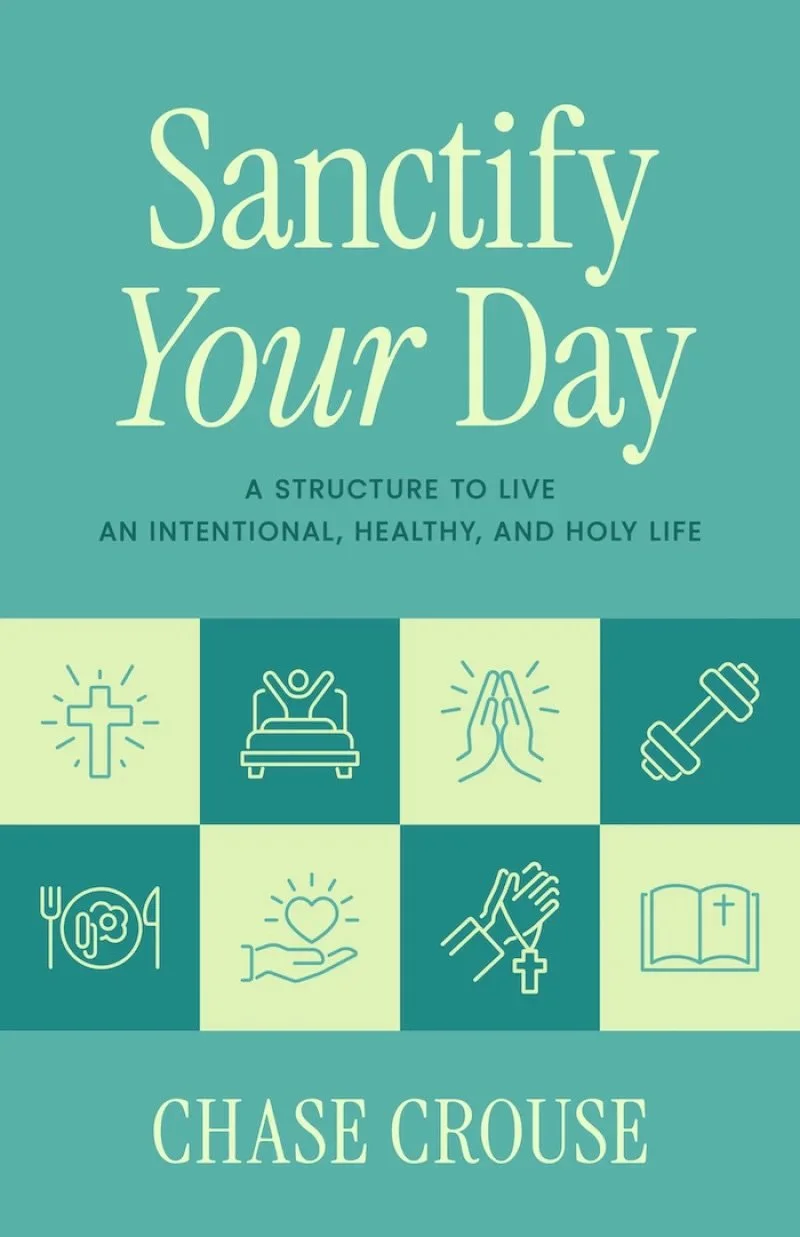
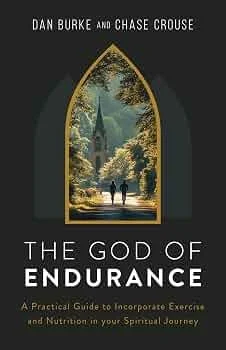
Challenge By Choice
Focus on eating more good things than fewer bad things
Most people don’t eat enough protein or fiber
If you’re not eating at least 100g of protein per day, increase it in your diet
If you’re not eating 20-30g of fiber per day, increase it in your diet
You’ll naturally eat less unhealthy things and start to feel better
Reflection Questions
For personal reflection or group discussion
What is one specific thing that stuck with you from this conversation?
How would you describe your physical health? Are you at peace with your nutrition and exercise habits?
What is your history with diet & exercise? Are there questions or wounds that you’re carrying in those areas?
What’s one thing you would like to change about your nutrition or exercise routines? What’s the first step toward making that change?
How can you bring your physical health to the Lord and unite it with your spiritual life?