
Show Notes
Episode 110. Is Self-Care Christian?
Episode 110. Is Self-Care Christian?
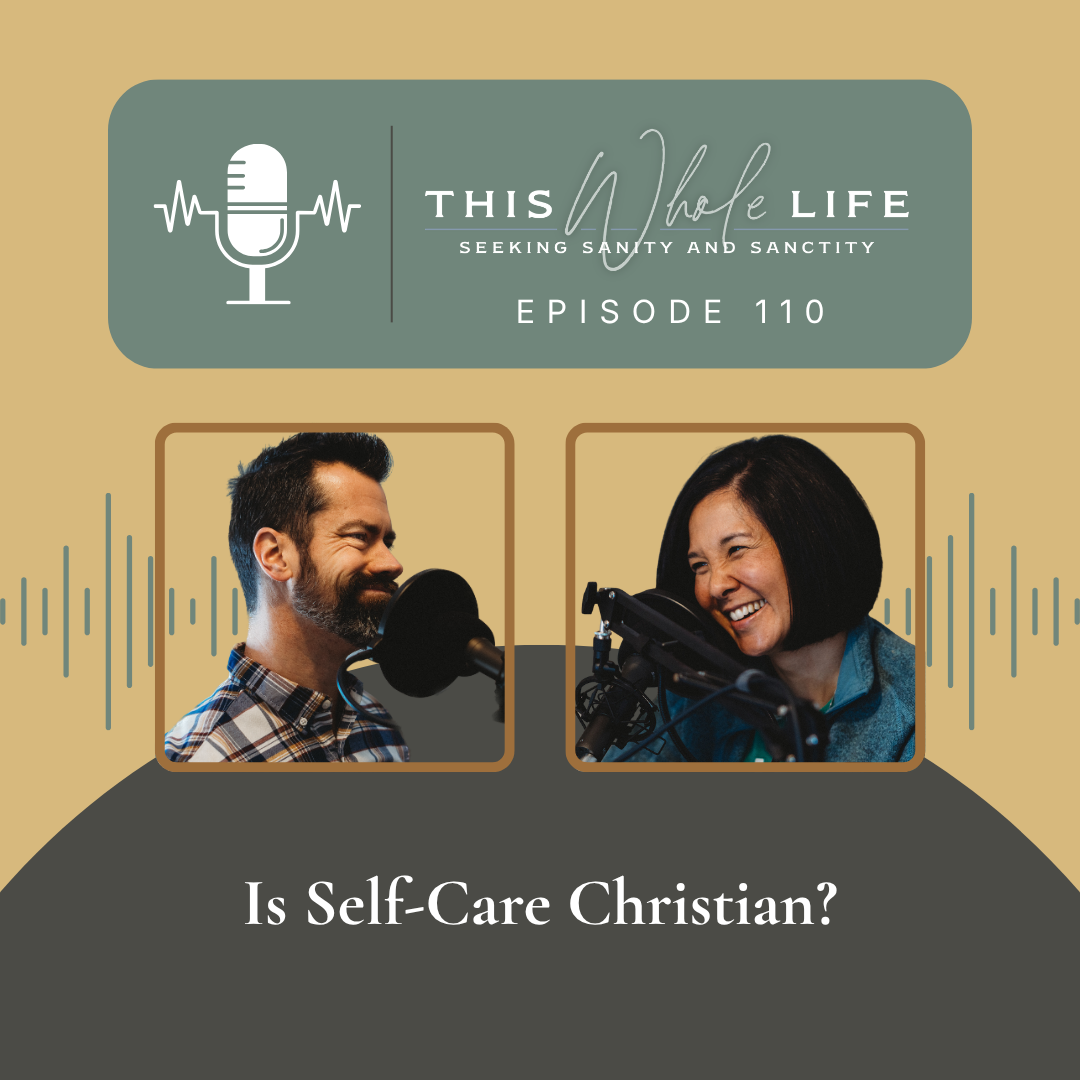
"When you throw in the idea of self-care, that makes a lot of Christian people cringe and run away, because what it sounds like is self-interest, self-indulgence, and pride."
~ Pat Millea
Is wanting rest actually a form of pride, or is refusing rest the real problem?
What does the prophet Elijah, collapsed under a tree and praying for death, have to teach us about rest and mission?
Where's the actual line between self-care and self-indulgence?
In this episode of This Whole Life, Pat and Kenna Millea tackle a topic that makes a lot of faithful Christians uneasy: self-care. They name the tension head-on, if love means seeking the good of the other, why would seeking your own good ever be justified? From there they work through the common cultural misuses of self-care before proposing a clearly Catholic definition: self-care is seeking out the renewal, recreation, and refreshment we need in order to return to our duties with greater love, freedom, and generosity, not an end in itself.
Pat brings two scriptural examples to ground the conversation, including a deep dive into 1 Kings 19, where the prophet Elijah, exhausted and afraid after his showdown with the prophets of Baal, flees into the wilderness and prays for death. God's response isn't a rebuke. It's food, rest, and eventually a face-to-face encounter that sends him back to his mission renewed. Pat and Kenna use that story to draw out the real dividing line between self-indulgence and the kind of self-care that actually serves love.
This episode is for anyone who has ever felt guilty for needing rest, or wondered if taking care of themselves is somehow in conflict with taking care of everyone else.
Show Notes
Our definition of self-care: Seeking out the renewal, recreation, and refreshment I need in order to return to my duties with greater love, freedom, and generosity.
The apostles gathered together with Jesus and reported all they had done and taught. He said to them, “Come away by yourselves to a deserted place and rest a while.” People were coming and going in great numbers, and they had no opportunity even to eat. So they went off in the boat by themselves to a deserted place.
Mark 6:30-32
Elijah was afraid and fled for his life, going to Beer-sheba of Judah. He left his servant there and went a day’s journey into the wilderness, until he came to a solitary broom tree and sat beneath it. He prayed for death: “Enough, LORD! Take my life, for I am no better than my ancestors.” He lay down and fell asleep under the solitary broom tree, but suddenly a messenger touched him and said, “Get up and eat!” He looked and there at his head was a hearth cake and a jug of water. After he ate and drank, he lay down again, but the angel of the LORD came back a second time, touched him, and said, “Get up and eat or the journey will be too much for you!” He got up, ate, and drank; then strengthened by that food, he walked forty days and forty nights to the mountain of God, Horeb.
1 Kings 19:3-8
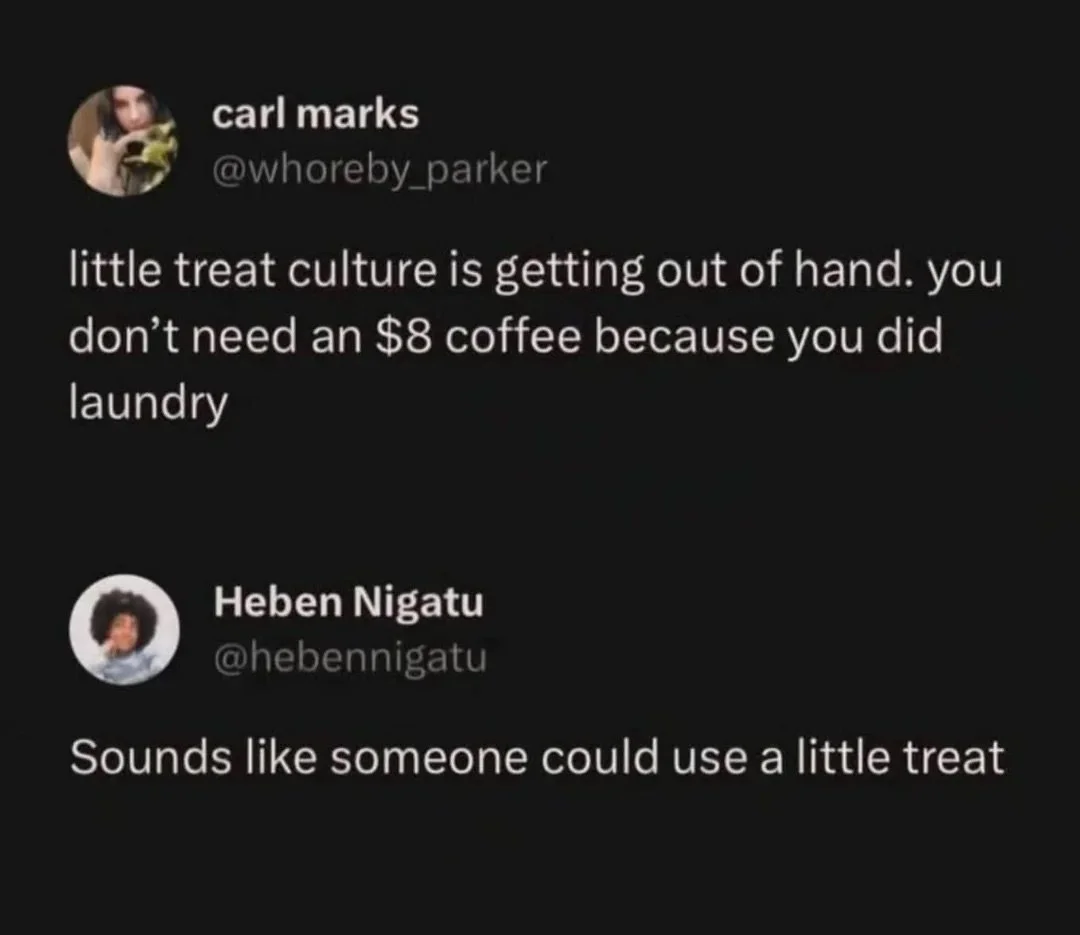
Just because we enjoy something doesn’t mean that it’s necessarily self-care. It’s also ok to enjoy things for their own sake and to be honest about that, not justifying them by labeling them as “self-care.”
Challenge By Choice
Take time to reflect on your relationship with self-care
Are my self-care habits really helping me be renewed and return to my duties with greater love, joy, and freedom?
Do I need to relate to self-care in a different way?
Do I need more or less time with self-care? Do I need different types of self-care?
How can I help the important people in my life care for themselves in healthy ways?
Reflection Questions
For personal reflection or group discussion
What is one specific thing that stuck with you from this conversation?
If there’s a spectrum of self-care from “selfish and self-indulgent” to “necessary and good,” what do you believe self-care is? Why do you think that?
When you rest or do something recreational, do you feel guilty? If so, what do you believe is fueling that guilt?
What are the most valuable forms of self-care for you? How do they help you return to your duties with greater love and joy?
What is one way that you can relate to self-care in a healthier way? Does it involve doing more or less self-care?